
Photography is far more than just clicking a button on a camera; it’s a unique blend of art and science that captures moments, emotions, and stories through a lens. Whether you’re a hobbyist snapping photos with your smartphone or a seasoned professional wielding advanced equipment, the essence of photography lies in its ability to freeze time and convey meaning.
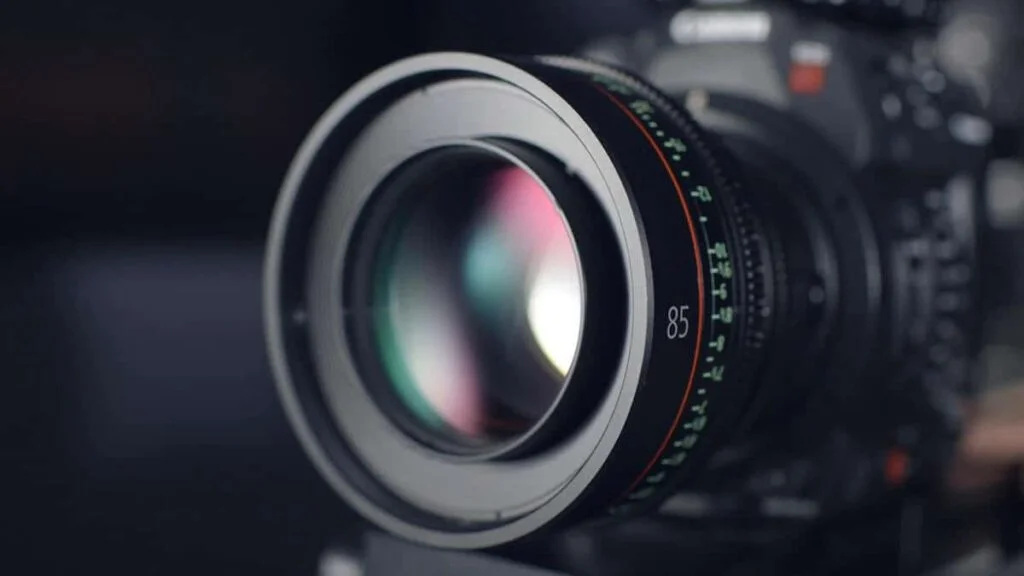
The Essence of Photography
At its core, photography means “drawing with light.” This term perfectly encapsulates what photographers do. By controlling light, they create images that evoke emotions and convey messages. Understanding the fundamental aspects of photography helps anyone appreciate its depth and beauty.
Key Elements of Photo
Exposure: Exposure is crucial in photography. It refers to the amount of light that reaches the camera sensor. Three components define exposure: aperture, shutter speed, and ISO.
- Aperture controls the amount of light entering the lens. A wider aperture (lower f-number) lets in more light and creates a shallow depth of field. This effect blurs the background, making the subject stand out.
- Shutter Speed determines how long the camera’s shutter remains open. A fast shutter speed freezes motion, while a slower speed captures movement, creating a sense of action.
- ISO measures the camera’s sensitivity to light. Higher ISO settings are useful in low-light conditions but can introduce noise, affecting image quality.
Composition: Composition involves arranging visual elements within the frame. Effective composition leads to more compelling photographs. Techniques such as the rule of thirds, leading lines, and symmetry guide photographers in creating visually appealing images.
Lighting: Lighting plays a significant role in photography. Natural light, like sunlight, provides beautiful, soft illumination. Golden hour—shortly after sunrise and before sunset—creates warm tones that enhance any scene. Artificial lighting, such as studio lights or flash, allows for creativity in different settings.
Different Types of Photography
Photography encompasses various genres, each with its unique focus and style:
- Portrait Photography: This genre highlights the personality of individuals. Photographers capture emotions and expressions, often using controlled lighting to enhance features.
- Landscape Photography: Capturing the beauty of nature, landscape photography showcases vast scenes, from mountains to oceans. Timing and lighting are critical for achieving breathtaking results.
- Commercial Photography: This type serves a marketing purpose. It includes product photography, food photography, and fashion photography. The goal is to attract attention and promote products or services.
- Documentary Photography: A powerful storytelling medium, documentary photography captures real-life events. This genre raises awareness about social issues, making it impactful and meaningful.
- Wildlife Photography: Focusing on animals in their natural habitats, wildlife photography requires patience and skill. Photographers must understand animal behavior to capture stunning images without disturbing their subjects.
The Artistic Side of Photography
Photography is, first and foremost, an art form. Just like painting or sculpting, it requires creativity, vision, and an understanding of aesthetics. The photographer is not merely a recorder of scenes, but an artist who composes an image. Here are some key artistic principles that every photographer uses, whether consciously or intuitively
1.Color and Mood
Colors evoke emotions. A warm color palette can make an image feel cozy or intimate, while cooler tones can convey calmness or distance. Some photographers may choose to shoot in black and white to emphasize texture, shapes, and contrast, stripping away the distraction of color to focus on the essence of the image.
The Scientific Side of Photography
Photography is not just about creativity; it’s also grounded in science. At its core, it’s the manipulation of light to create images, and this involves a thorough understanding of technical principles.
1. The Exposure Triangle
Mastering the exposure triangle—aperture, shutter speed, and ISO—is essential to controlling how your camera captures light
- Aperture refers to the size of the lens opening. A wide aperture (low f-stop) allows more light in and creates a shallow depth of field, perfect for portraits where the background is blurred. A narrow aperture (high f-stop) lets in less light but increases the depth of field, ideal for landscapes where everything is in focus.
- Shutter Speed determines how long the camera’s sensor is exposed to light. A fast shutter speed freezes motion, while a slow shutter speed can blur moving subjects, which can create a sense of motion or energy.
- ISO measures the sensitivity of your camera’s sensor to light. A low ISO is used in bright conditions to maintain image quality, while a high ISO allows you to shoot in low-light situations but can introduce noise (graininess) into the photo.
2. Lenses and Focal Length
Different lenses serve different purposes, and understanding how lenses affect your image is key to becoming a better photographer. A wide-angle lens captures more of a scene and is perfect for landscapes or architectural photography. A telephoto lens allows you to zoom in on distant subjects, making it ideal for wildlife or sports photography. Prime lenses, which have a fixed focal length, often provide sharper images and are great for portraits
3. Post-Processing
In the digital age, photography often continues after the shutter is clicked. Post-processing tools like Adobe Photoshop or Lightroom allow photographers to enhance their images, correct exposure issues, adjust colors, or add artistic effects. While some purists believe that photography should be about getting everything right in-camera, post-processing is an accepted and important part of modern photography.
The Marriage of Art and Science
What makes photography so captivating is the fusion of both art and science. A photographer must have technical skills to control their camera, understand light, and manipulate settings, but they also need an artistic eye to create something meaningful, whether it’s a portrait, landscape, or abstract image. It’s this combination that turns a simple snapshot into a powerful image that tells a story, captures an emotion, or sparks a thought.
Conclusion
Photography is an ever-evolving field that allows individuals to express themselves creatively while working within the laws of physics and optics. Whether you are just starting or you’ve been a photographer for years, it’s this blend of artistry and science that makes photography both challenging and rewarding. By understanding the principles behind the lens, you can take your photography to the next level, transforming simple photos into compelling works of art.